
After a hearty meal, a heaviness sets in, digestion lags, and blood sugar spikes. The pancreas, that discreet organ located behind the stomach, is at the center of these mechanisms. Some natural approaches can support its function, but it is essential to distinguish what constitutes real functional support from what remains a marketing argument.
Pancreas Regeneration: How Far Can the Body Go?

The word “regeneration” often comes up in discussions about pancreatic health. It suggests that a weakened pancreas could regain its original cell mass through natural remedies. This is a misleading simplification.
The pancreas serves two functions. The first is exocrine: it produces digestive enzymes (amylase, lipase, proteases) that break down food in the duodenum. The second is endocrine: beta cells, clustered in the islets of Langerhans, secrete insulin to regulate blood sugar levels.
The loss of beta cells is largely irreversible in adults. When these cells are destroyed by chronic inflammation or an autoimmune process, no plant or food can make them regrow. This observation is the foundation of any honest approach to the subject.
On the other hand, the remaining pancreatic function can be supported. A pancreas whose surviving cells are stressed by an unbalanced diet, alcohol, or excess sugar can achieve better performance if these aggressions cease. It is this functional leeway that natural approaches can target, and that is already significant. Several natural treatments for the pancreas on SanaVitae fall within this logic of support rather than cellular reconstruction.
In Europe, herbal supplements cannot make claims like “stimulates the pancreas” or “regenerates the pancreas” without solid clinical evidence. The absence of an authorized claim is a signal to take seriously.
Diet and Blood Sugar: Concrete Levers to Relieve the Pancreas
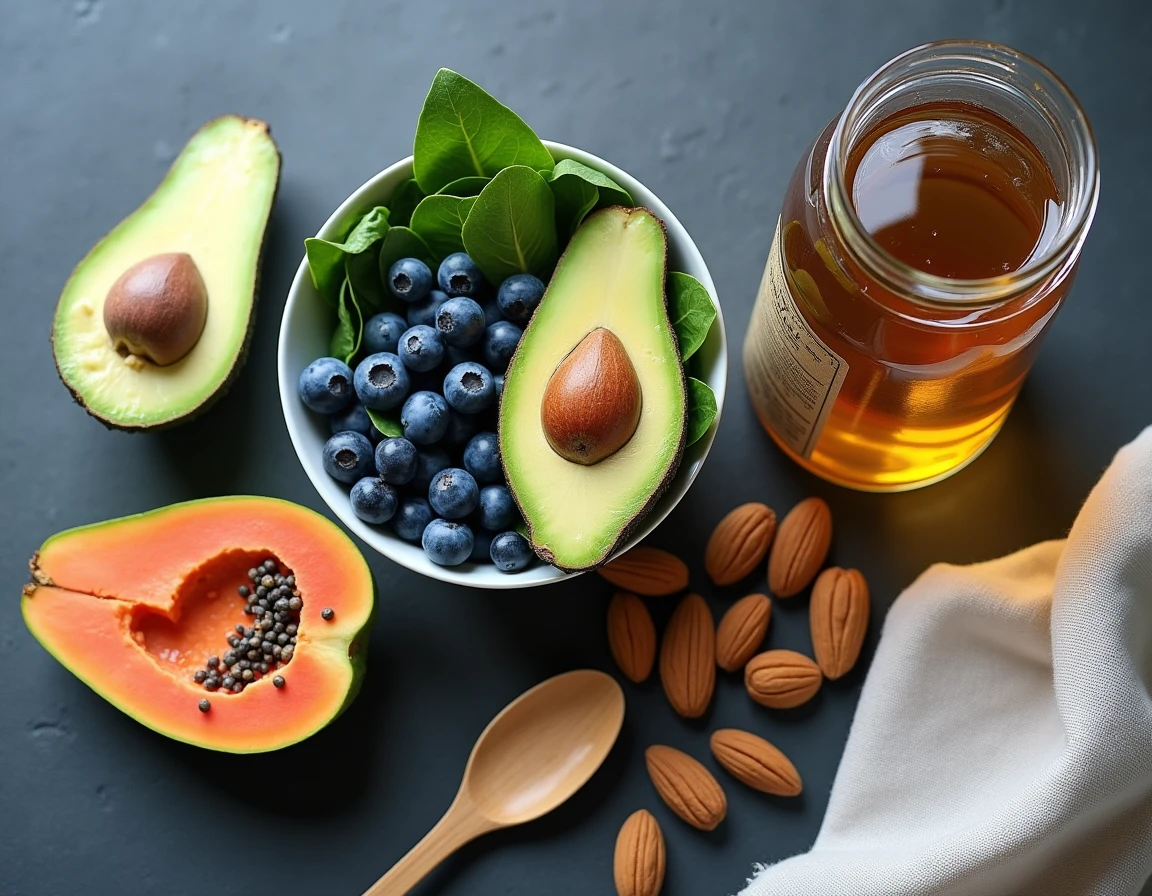
Have you ever noticed that a meal rich in quick sugars causes a fatigue crash an hour later? This spike, followed by a drop in blood sugar, reflects an intense effort by the pancreas to produce insulin urgently. Repeated daily, this pattern exhausts the remaining beta cells.
The most documented lever for preserving pancreatic function is not a rare plant. It is the reduction of the overall glycemic load of the diet.
In practical terms, this involves a few simple dietary choices:
- Favor whole grains (quinoa, oats, brown rice) over refined grains. Their slower digestion reduces insulin spikes.
- Incorporate legumes (lentils, chickpeas) into each main meal. Their fiber content slows glucose absorption.
- Always pair a source of fats or proteins with carbohydrates. A fruit eaten alone causes a more significant blood sugar spike than the same fruit accompanied by a handful of nuts.
- Limit fruit juices, even homemade, which concentrate sugar without the fiber of the whole fruit.
These adjustments do not regenerate the pancreas. They reduce the pressure on it, allowing it to function under better conditions with the cells it has.
Plants and the Pancreas: What is Based on Evidence and What is Folklore
Several plants are regularly mentioned in the context of pancreatic health. Their level of evidence varies significantly.
Milk Thistle and Artichoke
These two plants primarily act on the liver and gallbladder. Milk thistle has recognized antioxidant properties that protect liver cells. Artichoke stimulates bile production, which aids in fat digestion.
Their effect on the pancreas is indirect. By improving bile quality and liver function, these plants lighten the workload of the digestive system as a whole. The pancreas produces fewer enzymes under stress. This is a real benefit, but modest compared to the “pancreatic detox” labels found on some products.
Turmeric
Curcumin, the active ingredient in turmeric, is being researched for its effects on pancreatic inflammation. Some preclinical studies show an anti-inflammatory effect on pancreatic tissues. The main limitation remains bioavailability: curcumin is poorly absorbed by the body without an adjuvant (like piperine from black pepper).
None of these plants regenerate destroyed beta cells. They may contribute to a less inflammatory digestive environment, which is a reasonable and useful goal.
Gut Microbiota and Pancreatic Function: A Recent Avenue
Recent research is exploring the link between gut microbiota and pancreatic health. The hypothesis is that an imbalance in gut flora (dysbiosis) promotes systemic inflammation that also affects the pancreas.
This field of research is still young. It has not yet led to precise recommendations. What can be retained at this stage:
- A diet rich in varied fibers nourishes a diverse microbiota, which seems associated with a lower inflammatory risk.
- Fermented foods (yogurt, kefir, sauerkraut) provide bacterial strains that contribute to this balance.
- Repeated antibiotics and an ultra-processed diet deplete the microbiota, with potential consequences for the entire digestive system, including the pancreas.
The microbiota is a prevention ground, not a repair tool. Maintaining a healthy gut flora does not repair an already damaged pancreas, but it can limit the worsening of a fragile situation.
Stimulating the Pancreas Naturally: What Really Matters
The most effective actions to preserve pancreatic function are not found in a bottle. Reducing alcohol consumption directly decreases the risk of chronic pancreatitis. Maintaining a stable weight reduces insulin resistance, easing the workload of beta cells. Eating slowly gives the pancreas time to regulate its enzyme production without a spike in overload.
Plants and dietary adjustments fit within this functional support logic. They do not replace medical follow-up in the case of established pancreatic pathology, nor conventional treatments when they are necessary. Supporting the function of an organ and regenerating it are two different things, and this distinction makes all the difference between a health approach and a commercial discourse.