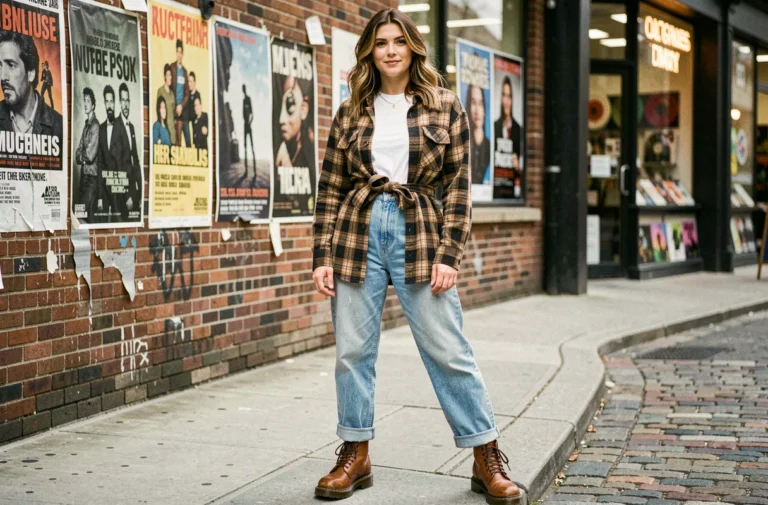
The spring-summer and autumn-winter 2026 shows have set clear directions: ubiquitous leather, short skirts, fluid silhouettes, and a palette of saturated reds. These aesthetic choices unfold within a European regulatory context that alters how brands produce, store, and sell their collections.
European Textile Regulation and Impact on 2026 Collections
Before discussing pieces to shop, one fact deserves attention. The European ban on destroying unsold textiles came into effect on July 19, 2026 for large companies, in accordance with the ESPR (EU) 2024/1781 regulation, article 25. Medium-sized enterprises will be affected starting in 2030.
This measure pushes brands towards destocking, donating, and refurbishing rather than destruction. For buyers, this means expanded access to seasonal pieces sold through second-hand channels or outlets, sometimes just a few weeks after their release.
At the same time, environmental labeling for textiles is gradually becoming more stringent in France. Jeans, dresses, coats, and sweaters are included, although shoes and accessories remain excluded for now. By combining these obligations with the future digital product passport (accessible via QR code, encompassing composition, origin, and reparability), the labels on your upcoming purchases could resemble technical data sheets.
For those who want to follow fashion trends while choosing pieces with improving traceability, it becomes possible to check out shopping on Moderne Mode to spot selections that incorporate these criteria.
Leather and Faux Leather: The Trend that Transcends Seasons
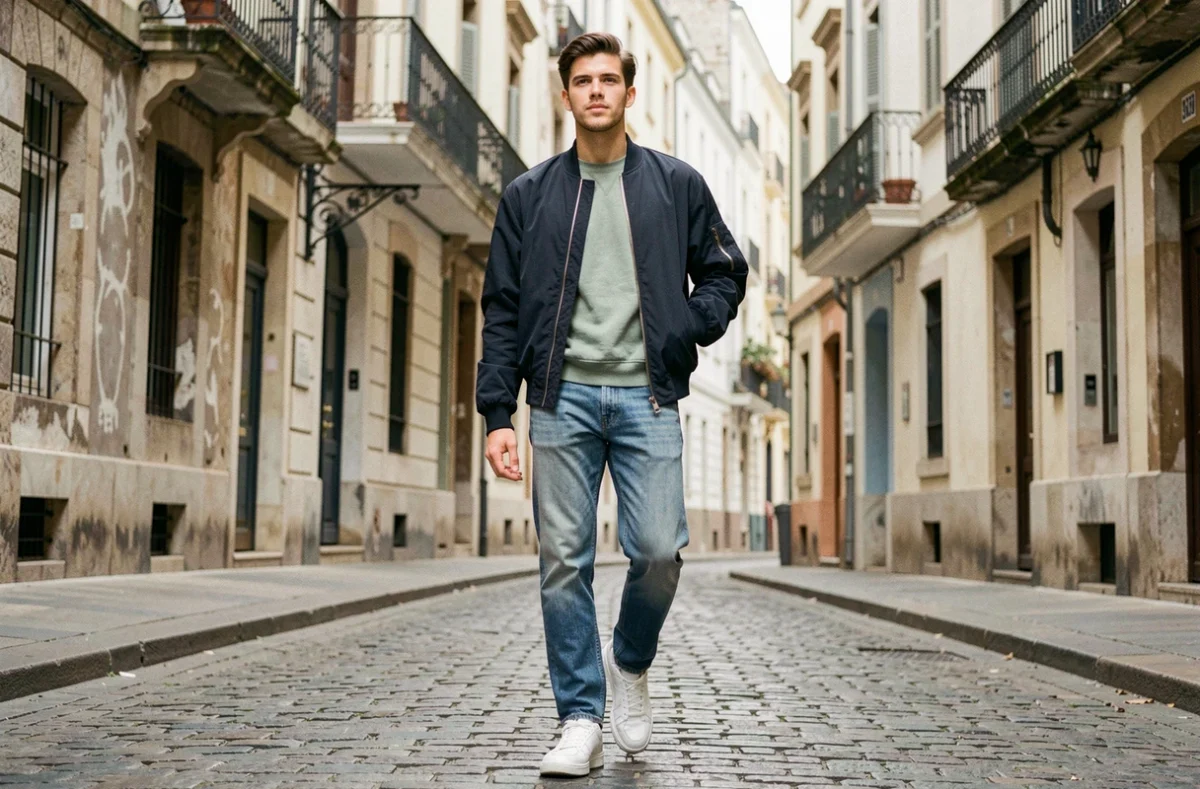
Leather dominated the Fashion Week runways for spring-summer 2026, and this presence does not wane as autumn-winter approaches. Jackets, fitted trousers, midi skirts: the material is featured across almost all categories of clothing.
The question of faux leather arises more acutely in the context of environmental labeling. A genuine leather jacket and its polyurethane equivalent do not have the same impact, and the available data does not always allow for a clear choice between the two. Vegetable-tanned leather, often presented as a virtuous alternative, remains a niche with production volumes that limit accessibility.
Three Leather Pieces to Prioritize This Season
- The high-waisted straight trousers, worn with an oversized sweater for an autumn-winter look that works both at the office and in the evening
- The slightly flared midi skirt, paired with flat shoes for a style that avoids the overly rigid total look
- The soft leather trench coat, a transitional piece between seasons that replaces the classic coat as temperatures begin to drop
The straight leather trousers remain the most versatile piece of this trend. They adapt to a casual silhouette as well as a more dressed-up look depending on the chosen accessories.
Color Palette and Key Silhouettes for Autumn-Winter
The color trends of the season are organized around two poles. On one side, intense red (ranging from burgundy to vermilion) that marked the runways under the name “Roses are red.” On the other, all-white, dubbed “Carte blanche” on the runways, which offers a minimalist and graphic approach.
In contrast, pastel shades and floral prints are clearly declining compared to previous seasons. Autumn 2026 fashion favors solid color blocks and bold contrasts.
Silhouettes to Remember
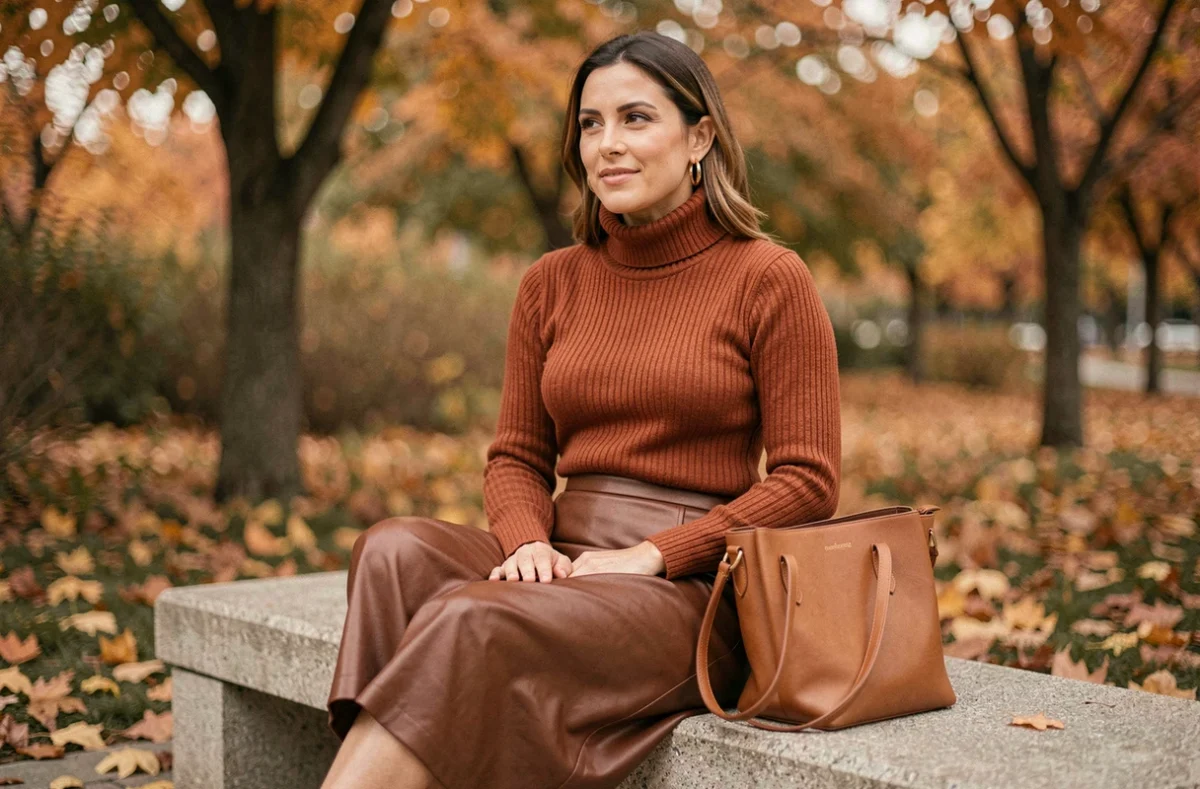
The short skirt is making a strong comeback, worn with high boots for a visual balance that elongates the silhouette. Flowing long dresses, often in knit or jersey, function as unique pieces that simplify outfit composition.
Oversized silhouettes are losing ground to more fitted cuts, particularly on jackets and blazers. Wide trousers persist, but they are now worn with a fitted top to create a contrast in proportions.
Building a Stylish Look with Few Pieces
Buying every trend as it comes out is not a sustainable strategy, either financially or in light of the new regulatory constraints on textiles. The emerging logic is rather to identify pieces that transcend multiple seasons.
- A leather piece (jacket or trousers) that works from spring to winter with different layers
- A solid flowing dress in a seasonal color (deep red or off-white), wearable alone in summer and under a coat in autumn
- Chunky-soled shoes, visible on the majority of runways, that pair well with both skirts and trousers
- A structured blazer, a piece that has transcended trends for several seasons and remains relevant regardless of the dominant color palette
Four well-chosen pieces cover the majority of looks for the season. The rest comes down to accessories or personal touches.
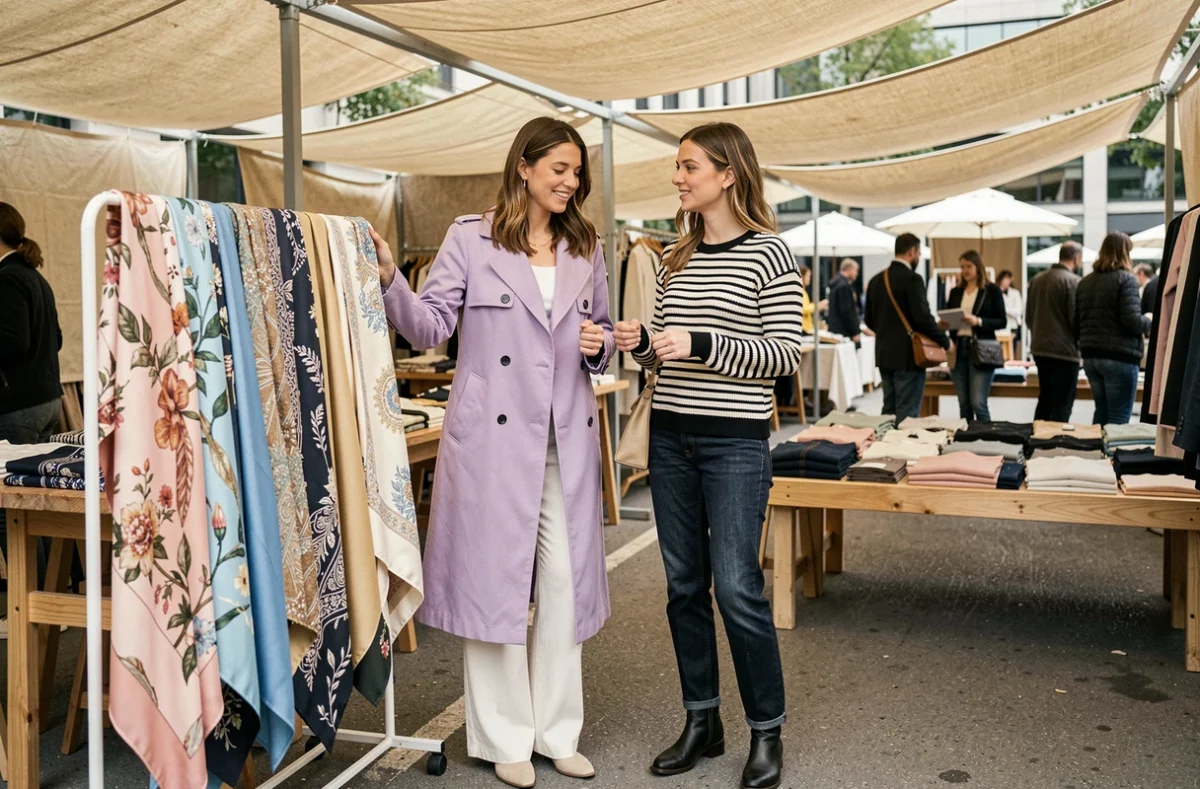
The digital product passport, with its gradual implementation schedule for textiles, could ultimately facilitate the resale of these pieces. A traceable garment, whose composition and origin are documented by QR code, resells better than an item without information. Traceability is becoming a criterion of style as much as of value, even if field reports still diverge on the actual adoption of these tools by consumers.