In a constantly evolving world, the role of designer rises to the top of the most sought-after professions. Whether in technology, art, or industry, the designer plays a key role in transforming ideas into tangible realities. From the user interface that captivates the eye to the innovative architecture that shapes our environment, designers leave an indelible mark on our daily lives. The path to becoming a designer is paved with challenges, continuous learning, and a perpetual quest for perfection.
Choosing Your Specialization
In the vast universe of design, it is essential to determine the specific field in which you wish to thrive. This choice will guide not only your academic training but also your professional career.
For some, graphic design becomes an obvious choice, with its nuances of colors and typography play. Others are drawn to industrial design where form meets function. A third group is seduced by digital design, a rapidly expanding field with the rise of technology and digital media. Whatever your inclination, each specialization requires unique skills and a commitment to continuous learning.
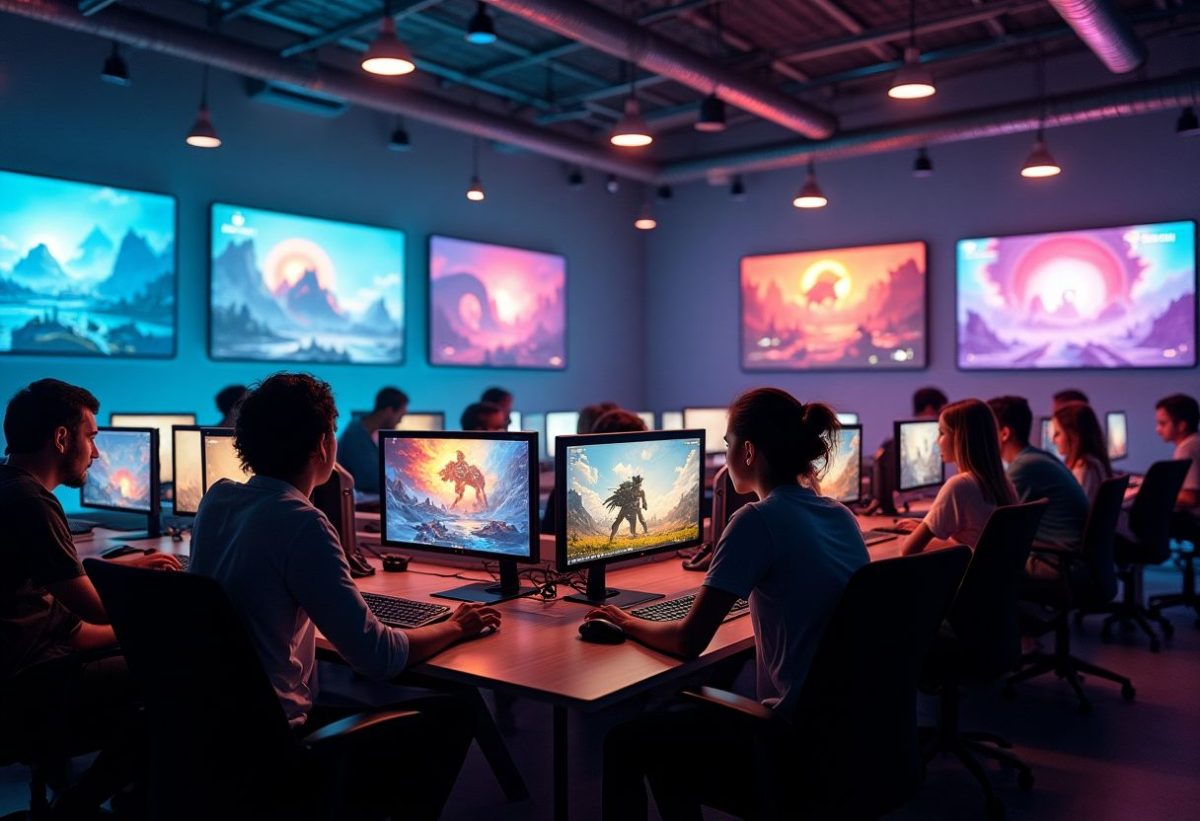
It is also relevant to consider market trends. For example, a video game school offers an exceptional springboard for those looking to explore new grounds in the playful and virtual world.
Acquiring a Solid Education
Education is the cornerstone of becoming a successful designer. From an academic perspective, several paths can lead to success in this field.
- University Degree: Universities and specialized schools offer comprehensive programs in design and conception, where learners are exposed to fundamental theories and advanced practices.
- Professional Internships: These experiences provide immersion in the real world, where students can apply their theoretical knowledge while developing practical skills.
- Workshops and Seminars: Participating in events organized by industry professionals allows you to broaden your horizons and stay updated on innovations and new techniques.
Developing an Impressive Portfolio
A well-crafted portfolio is the most powerful tool of a designer. In this space, personal projects blend with professional experiences to create a comprehensive picture of your skills.
- Choose Diverse Projects: Highlight works that showcase your ability to work on different types of projects, whether in graphic, industrial, or digital design.
- Highlight Collaborations: Projects completed in teams demonstrate your ability to work collaboratively, a valuable skill in many professional environments.
- Regularly Update: A portfolio should evolve over time, showing that you are active and engaged in your field.
Staying Sharp on Trends
The world of design is constantly reinventing itself. Technologies evolve, styles change, and it is crucial for any designer to stay at the forefront of trends to avoid being left behind.
Subscribe to specialized magazines, follow influential blogs, and sign up for relevant newsletters. Social media, especially platforms dedicated to creators, are also gold mines for discovering innovative ideas and connecting with other enthusiasts.
Moreover, participating in international competitions can expose you to high standards and encourage you to push your limits.