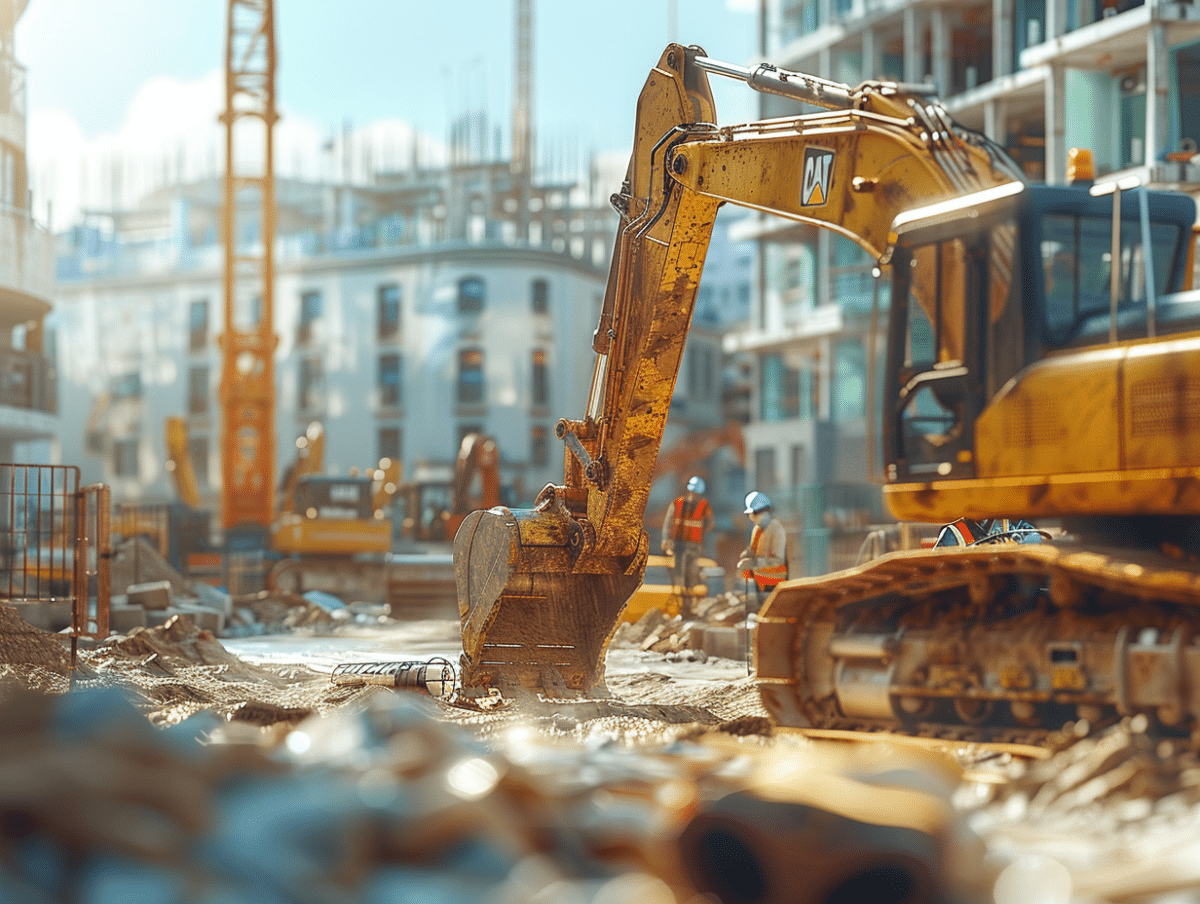
Choosing equipment for a construction company requires multiple major considerations. The selection of machines, tools, and technologies can significantly influence productivity, safety, and profitability of projects. Contractors must assess the durability, versatility, and maintenance costs of equipment to ensure optimal performance over the long term. It is important to consider current safety standards and technological innovations that may enhance operational efficiency. Good equipment management contributes not only to completing projects on time but also to customer satisfaction and the company’s reputation.
Selection Criteria for Equipment for a Construction Company
Construction Site Equipment
Construction site equipment forms the foundation of operations on construction sites. This type of equipment is used for various types of work:
- Earthworks: excavation machines such as backhoe loaders, graders, or bulldozers
- Drilling Work: manual or hydraulic drills, shovels, saws, and transport equipment
- Logging Work: tracked tractors for hauling
- Asphalt Work: asphalt pavers, spreaders, and grinders
- Compaction Work: compactors, vibrating plates, and rollers
- Demolition Work: chisels, jackhammers, pneumatic hammers, hydraulic concrete pliers, or sledgehammers
Construction Materials
Construction materials must be precise and suitable for each site. Choices should include specialized equipment like the WebCSAT 58, an innovative technology for public works management.
Construction Machinery and Professional Tools
Construction machinery is essential for heavy tasks. This includes scaffolding, jackhammers, chisels, metal saws, grinders, surface planers, rotary lasers for construction, generators, and construction lifts. Professional tools encompass various tools necessary for the work, ensuring precise and efficient execution.
Personal Protective Equipment (PPE)
Worker safety is paramount. PPE includes helmets, coveralls, pairs of gloves, and masks against chemicals. Their use is imperative to ensure accident prevention and maintain high health and safety standards at work.
Purchase or Rental: What is the Best Option for Your Company?
Purchase of Construction Site Equipment
Purchasing construction site equipment often proves wise for frequently used equipment. Machines like bulldozers, graders, and jackhammers, essential for earthworks, demolition, or compaction, quickly pay off the initial investment. Owning this equipment allows for immediate availability and simplified management.
Rental of Construction Site Equipment
Renting construction site equipment is a flexible solution to meet occasional needs. It allows access to specific equipment for temporary projects without tying up significant capital. Rental platforms like Kiloutou, Tracktor, Loxam, Europe TP, Sodineg, and Distriartisan offer a wide range of machines and tools suitable for all types of construction sites.
- Kiloutou: rental of equipment for public works and individuals.
- Tracktor: rental for construction professionals.
- Loxam: rental for construction professionals.
- Europe TP: sale of used construction equipment.
- Sodineg: used construction machinery.
- Distriartisan: online sale of professional equipment and tools.
Environmental Impact and Cost Management
Consider the environmental impact. Renting allows for optimal resource management by reducing the number of unused equipment. In terms of costs, purchasing involves high initial expenses but can prove more economical in the long term for frequently used equipment. Renting, while more expensive on a daily basis, offers financial flexibility by avoiding maintenance and storage costs. Find the balance between purchasing and renting based on your specific needs and the duration of your projects.