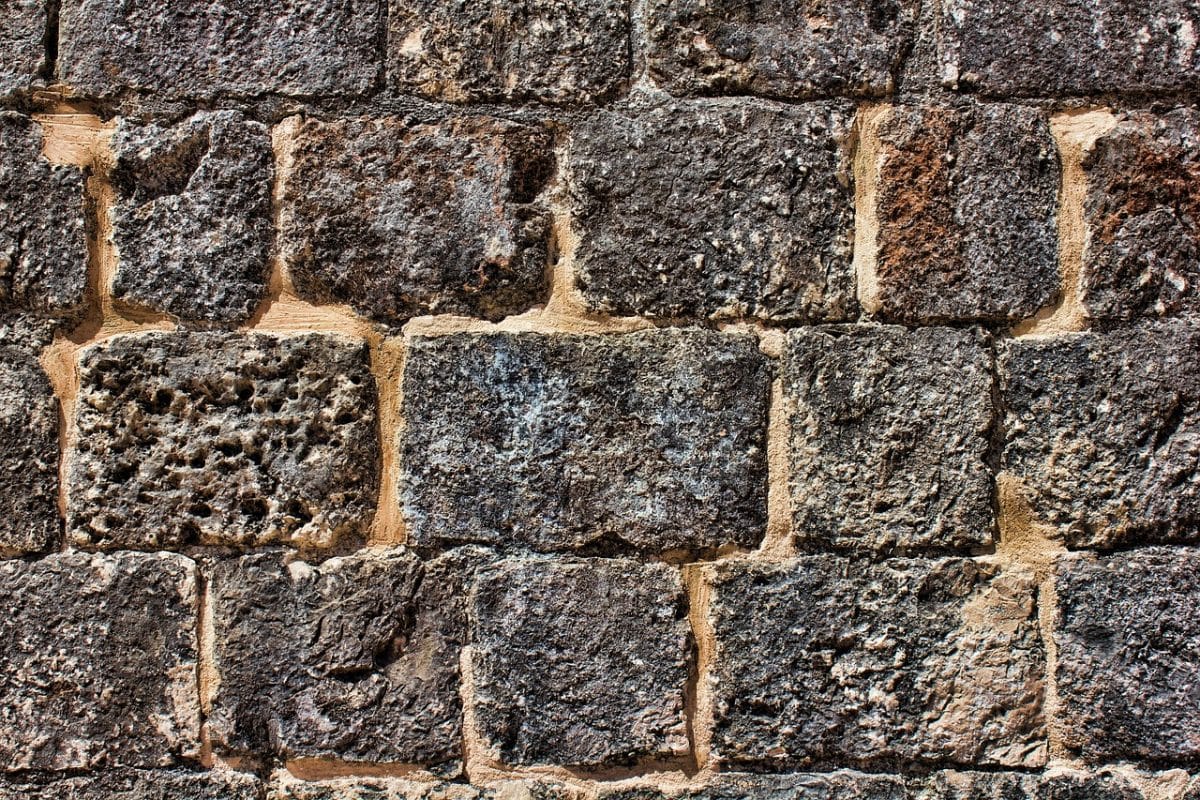
The choice of cladding for exterior walls is both an aesthetic and technical decision that can transform the appearance of your home while providing lasting protection against the elements. Whether you are renovating an old building or constructing a new house, selecting the right cladding can improve insulation, protect against moisture, and enhance the value of your property. Let’s explore the different types of cladding and their benefits to help you make an informed choice.
Natural Stone Cladding
Natural stone cladding is an elegant and timeless option that suits many architectural styles. Stone, with its authentic appearance and durable properties, is prized for its robustness and aesthetic appeal.
- Granite: Known for its strength and weather resistance, granite is an excellent choice for regions exposed to harsh weather conditions.
- Slate: Perfect for a more contemporary look, slate is a durable material that withstands temperature variations well.
- Limestone: Valued for its light hue and soft touch, limestone adds a touch of lightness and elegance to your exterior walls.
Wood, a Warm Choice
For those seeking a natural and warm ambiance, wood is a preferred material for facades. Although it requires regular maintenance, wood offers undeniable aesthetics and excellent thermal insulation.
Cedar and Larch are popular species due to their natural resistance to insects and rot. Wood cladding can also be treated to enhance its durability and resistance to the elements.
Using vertical, horizontal, or diagonal boards allows for style variation and adds character to your home. Also consider the finishes: stained, painted, or raw, wood offers a multitude of possibilities to personalize your facade.
Brick Cladding
Brick cladding is a classic that brings a touch of charm and rusticity. This material is known for its fire resistance and thermal efficiency.
- Brick veneer: Thinner than traditional brick, it is often used to recreate the aesthetic of brick walls without adding excessive weight to the structure.
- Solid brick: This type of brick is ideal for constructions requiring a solid load-bearing structure. It also provides excellent acoustic insulation.
Bricks can be arranged in different ways to create distinctive patterns, such as herringbone or basketweave, thus adding a unique dimension to your exterior walls.
Composite and PVC Cladding
For those looking for a modern, low-maintenance solution, composite and PVC cladding represent an interesting alternative. These materials are designed to withstand weather and UV rays without requiring special treatment.
Composite panels, made from a blend of wood and resin, offer the natural appearance of wood with the durability of plastic. They are available in a variety of colors and textures to suit all construction styles.
PVC, on the other hand, is a lightweight and easy-to-install material. It is particularly recommended for coastal areas due to its resistance to salt and moisture. PVC cladding can mimic other materials like wood or stone, providing great flexibility in design.
By incorporating composite or PVC wall cladding, you can achieve the desired look without sacrificing durability or ease of maintenance.
Choosing the right cladding for exterior walls is a crucial step in ensuring the longevity of your home while giving it character. The options are varied, ranging from timeless natural stone to warm wood, classic bricks, or modern composite materials. Consider the architecture of your home, the climatic conditions of your region, and your aesthetic preferences to make an informed choice. The final result will undoubtedly enhance the appearance and value of your property.