Pastel curtains are no longer enough. Today, designing a child’s room means balancing a thousand concrete requirements with the desire to create a truly unique space. Trends change, creativity comes in strong, and bold choices are made in materials, furniture, and reimagined objects. Far from standardized models, every parent now seeks to shape a space that reflects their child, without space or budget becoming obstacles to inventiveness.
Original solutions are multiplying. Furniture is being rethought, everyday accessories are being repurposed, and unexpected combinations are being embraced. Each project becomes a tailor-made adventure, shaped by imagination and the desire for a truly special place that is both functional and unique.
Understanding what makes a child’s room truly cozy
To successfully design a calming child’s room, one must look beyond mere style. More than half of a child’s early years are spent in this room: it becomes their anchor, the stage for their development. This is why the space must reassure, envelop, while combining several fundamental uses.
Here are three key areas to consider when structuring the space:
- A sleep corner that promotes rest, bedtime routines, and smooth falling asleep.
- A play corner where the child experiments, gains independence, and learns every day.
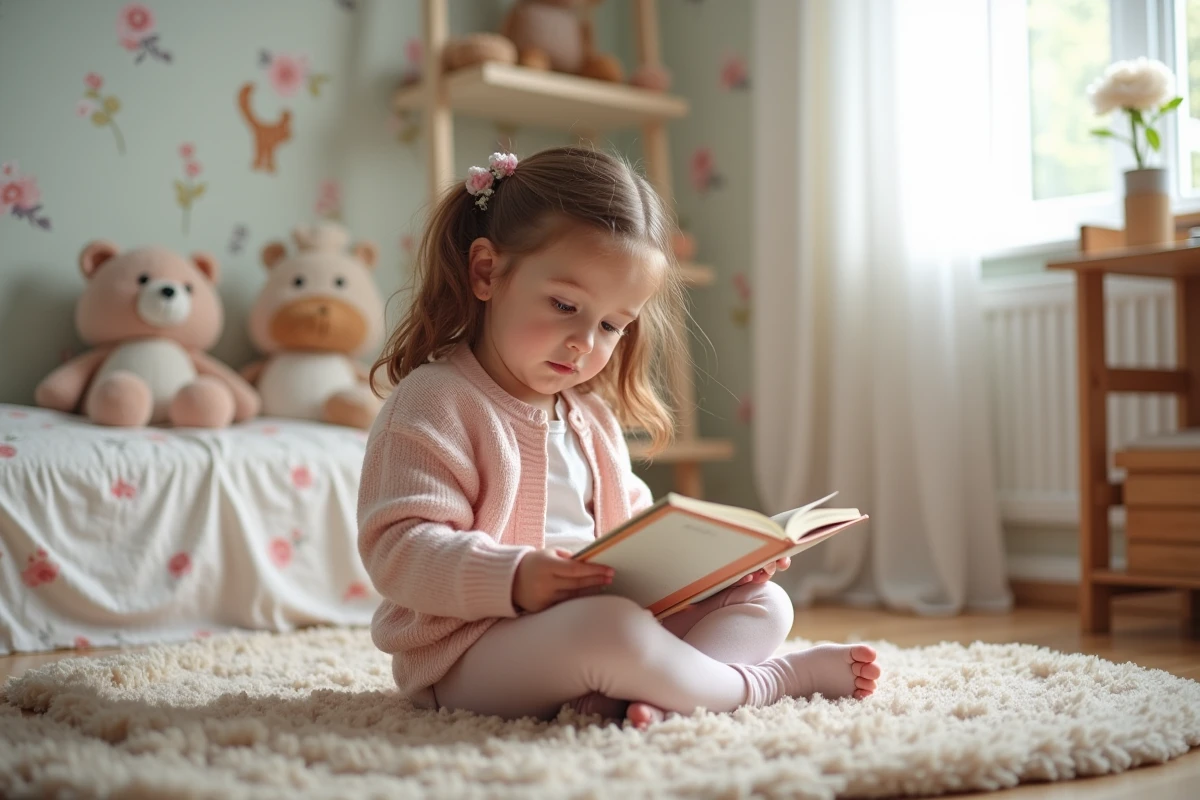
- A reading corner designed for calm, creativity, and the discovery of new worlds.
Adapting the room to the child’s character and development makes all the difference. A space that evolves, showcasing their creations and favorite colors, creates a true sense of attachment and comfort. Healthy materials, good sound insulation, and a stable temperature are prioritized. The room should inspire softness, be modular, always welcoming, and never static.
There are plenty of examples: La Petite Emma Fashion and daily inspirations show how a personalized room, designed for the child, comes to life far beyond a fixed decor. The coherence between uses and ambiance, the selection of furniture, lighting, and the distribution of zones all contribute to creating an evolving, reassuring cocoon where the child can fully thrive.
How to choose colors, materials, and lighting for a soft ambiance?
The choice of colors sets the tone, better than any accessory. Opting for soft shades like sandy beige, off-white, sage green, dusty pink, and muted blue soothes and facilitates transitions to sleep. Studies confirm that color influences the wake-sleep rhythm and overall well-being of little ones.
Materials provide that irreplaceable warmth. Natural wood, rattan, washed cotton, linen, wool felt: these choices envelop the room in a healthy atmosphere, pleasant to the touch, suitable for the delicate skin of children. Installing a thick rug, a few cozy throws or cushions, and curtains made from natural fabrics adds that softness and sound insulation that makes a difference at night.
Lighting deserves special attention. Focus on multiplying sources: a central dimmable pendant, a string of lights to soften the evenings, a reassuring nightlight, and a lamp for the reading corner. This play of lights allows for adjusting the ambiance according to the moments, from evening rituals to peaceful morning awakenings.
The decoration of the child’s room is complemented by carefully chosen accessories: delicate wallpaper, natural fiber baskets, and a few plants to purify the air and introduce a touch of nature. These details create the right balance between aesthetics and functionality, for a room that supports growth while remaining true to the child’s universe.
Concrete inspirations to personalize the room according to your child’s age and desires
Personalizing a child’s room is primarily about listening, observing, and adapting to their real needs. A playhouse bed, for example, promises adventure and stimulates the imagination. Conversely, a floor mattress, in the Montessori spirit, promotes independence from a young age. Child-height furniture (dresser, wall shelf, low bookcase) facilitates tidying up and reinforces the sense of ownership of the room.
Depending on the age, here are some ideas to explore:
- For babies, choose neutral colors and natural materials, plan an evolving layout with transformable furniture (like a growing bed or a dresser that converts into a changing table).
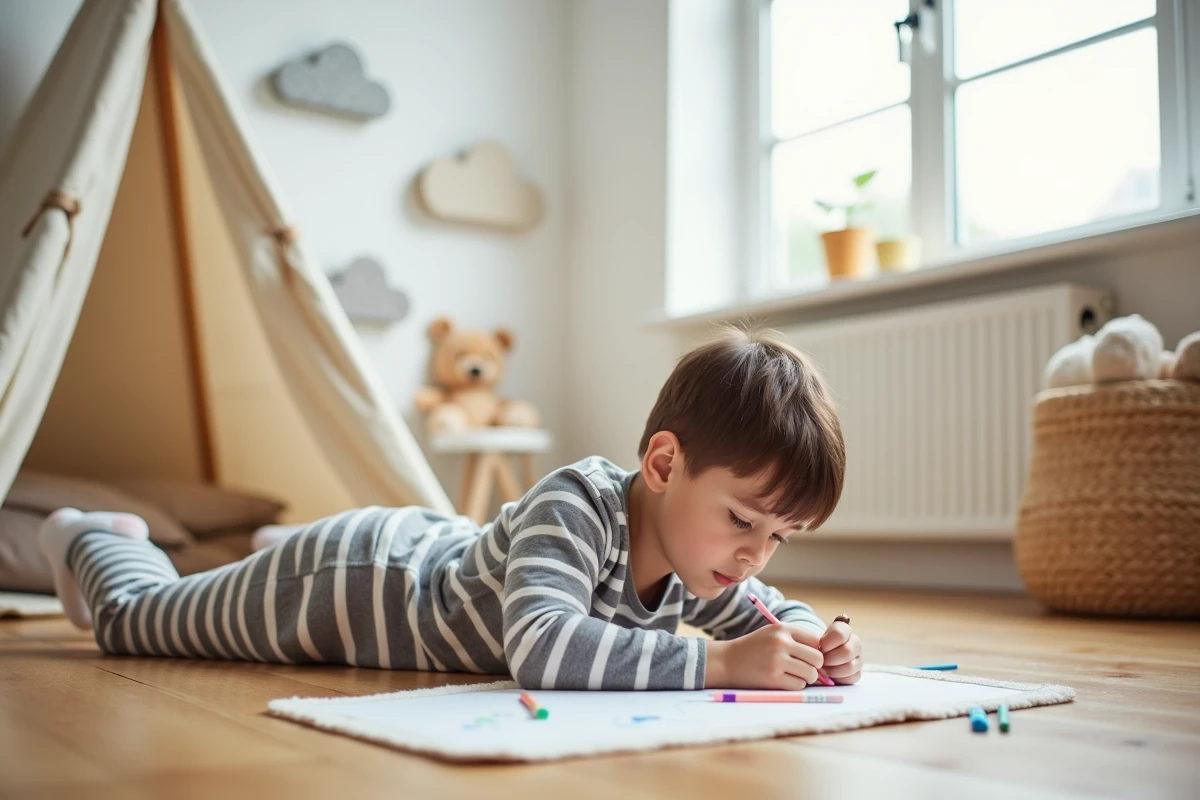
- For older children, install a desk at their height, multiply fun storage baskets, or create a playhouse or tipi corner to structure the play area.
Wall decoration adds the finishing touch: poetic posters, felt animal trophies, world maps, or artworks created by the child themselves. Each choice contributes to a reassuring visual identity. The style evolves with changing desires: jungle ambiance (animals, deep greens), terracotta accents (warm ochres), nature spirit (wood, plants, slats), or seaside inspiration (blue, white, marine accessories). Soft colors and universal themes gradually replace gendered codes for rooms that effortlessly transform over time.
The practical tip: consider closed storage furniture to limit dust and keep the room tidy without spending hours. The space should remain lively, ready to evolve, always attentive to the child’s desires, without ever compromising on the softness or safety they need.
Creating a child’s space is about offering more than just decor: it’s about inventing a refuge where every detail matters and where each day opens the door to new dreams.