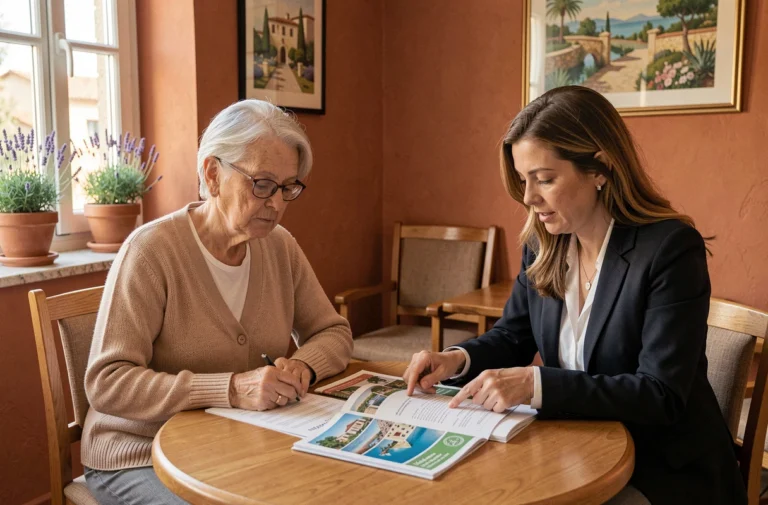
Measuring family flourishing remains a delicate exercise, but several concrete indicators allow for the comparison of effective practices. Parental stress levels, frequency of conflicts, time spent together without screens: these markers create a fairly precise map of daily family life. Recent data on slow parenting, digital co-parenting tools, and multigenerational dynamics provide a more solid analytical framework than lists of good intentions.
Slow parenting versus hyper-scheduling: two parenting models compared
The debate between meticulous organization and voluntary slowing down structures a large part of current family choices. Since 2024, the trend towards slow parenting has strengthened, particularly after the post-pandemic period, with families reporting a notable reduction in family stress according to the “Family Trends 2025” report from the Family Observatory.
| Criterion | Hyper-scheduling | Slow parenting |
|---|---|---|
| Extracurricular activities per child | 3 to 5 per week | 1 to 2 per week |
| Unstructured free time | Reduced | Prioritized |
| Perceived parental stress | High | Significantly decreasing |
| Child involvement in choices | Low | High |
| Daily logistical burden | Heavy (transport, schedules) | Lightened |
Slow parenting does not mean the absence of structure. It relies on a voluntary selection of activities, allowing the child to participate in choosing what to keep. Families applying this approach report that free play gradually replaces directed activities, without a loss of social skills in children.
To explore other concrete approaches adapted to parental realities, you can check the family section of Partagez, which gathers various feedback on these topics.
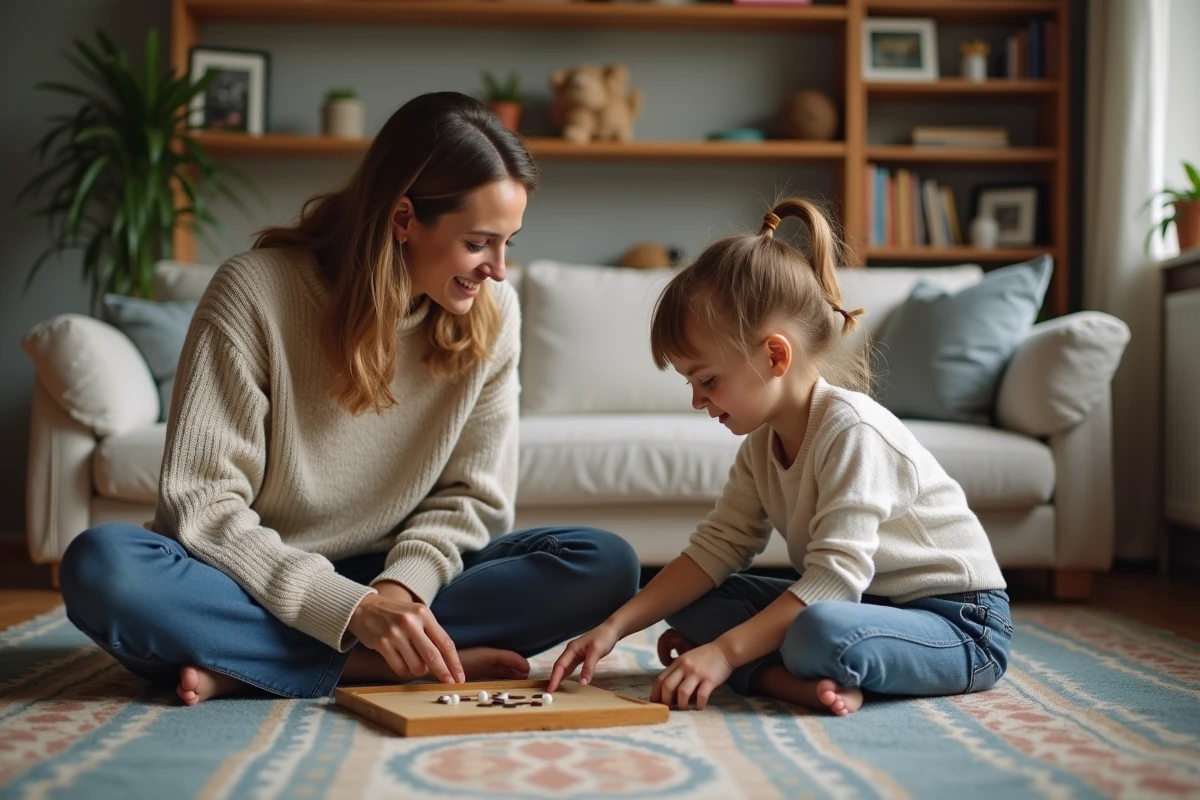
Co-parenting apps and reducing family conflicts
Family organization increasingly relies on dedicated digital tools. The “Digital and Parenting” study by INSEE, published in October 2025, shows a rising adoption of 40% among blended families for applications like FamilyWall. Field reports indicate a trend towards a decrease in conflicts related to the division of tasks.
This figure deserves context. Blended families face greater logistical complexity: shared custody, overlapping calendars, communication between distinct households. A centralized tool reduces friction points by eliminating ambiguity about who does what and when.
What these tools change concretely
- The division of household tasks becomes visible to all household members, limiting the phenomenon of invisible mental load often carried by a single parent
- Shared calendars help anticipate scheduling conflicts before they generate stress, particularly during alternating custody weeks
- Integrated discussion spaces reduce exchanges via SMS or phone, often a source of misunderstandings in co-parenting situations
However, these applications do not replace fundamental communication between parents. They serve as logistical support, not relational mediators.
Multigenerational families: a growing model in rural areas
The “Family Living Modes” survey by the OECD, 2025 report, identifies a growing phenomenon: multigenerational families show increased resilience in the face of economic crises. The sharing of responsibilities among grandparents, parents, and children creates a safety net that nuclear households do not always have.
This dynamic is particularly observed in rural areas of France, where intergenerational cohabitation remains more common. The model operates on a concrete exchange: grandparents participate in childcare and cultural transmission, parents ensure economic stability, and children benefit from an expanded emotional network.
Measurable benefits of intergenerational cohabitation
The presence of grandparents in the household or in close proximity reduces reliance on external childcare options. For parents, this frees up time and decreases financial pressure related to daycare or after-school costs.
The cultural aspect also plays a role: the transmission of games, recipes, and family stories enriches children’s daily lives in ways that organized activities do not replicate. Families surveyed in the OECD study describe a stronger sense of belonging among children raised in this environment.

Shared parental leave in Europe: what the 2024 directive changes
The EU directive 2024/1234 on work-life balance, transposed in France in March 2025, gradually extends shared parental leave up to 12 months in several European countries. The stated goal: a more equitable division of tasks between parents from the first months of the child’s life.
This regulatory evolution has a direct effect on family dynamics. When both parents have comparable leave time, the specialization of roles (one parent at home, the other at work) decreases. Feedback from Nordic countries, pioneers of this model, shows that fathers who are involved early maintain higher domestic engagement in the long term.
- Shared leave fosters the creation of an early father-child bond, which rebalances the educational load in the following years
- Mothers return to work with less disruption, reducing the wage gap related to parenthood
- Couples who use shared leave report better relationship satisfaction in the first two years of the child’s life
The French transposition of this directive is still recent. The large-scale effects will be measured over several years, but initial feedback aligns with European observations.
Family flourishing is built less through an accumulation of advice than through structural choices: slowing down the pace of activities, equipping household coordination, relying on an intergenerational network when it exists, and taking advantage of legal frameworks that promote the involvement of both parents. The available data all point in the same direction: time spent together, free from logistics, remains the factor most correlated with family well-being.